
The bigger picture is the person.
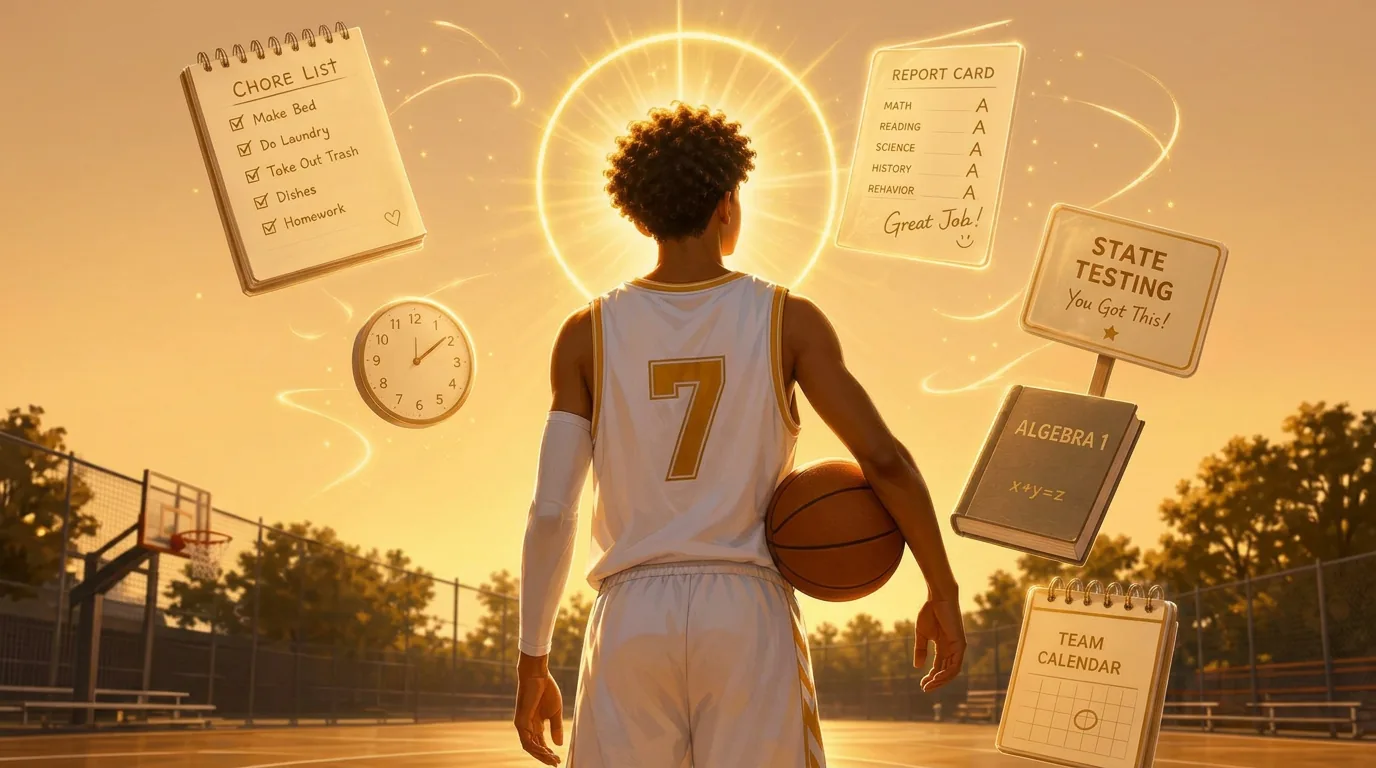
At The Bigger Picture Athletics, basketball is the vehicle — not the destination. We use the game to teach self-discipline, competitive mindset, accountability, and the everyday habits that turn good kids into great young adults.
COACH MO.
What's up y'all,
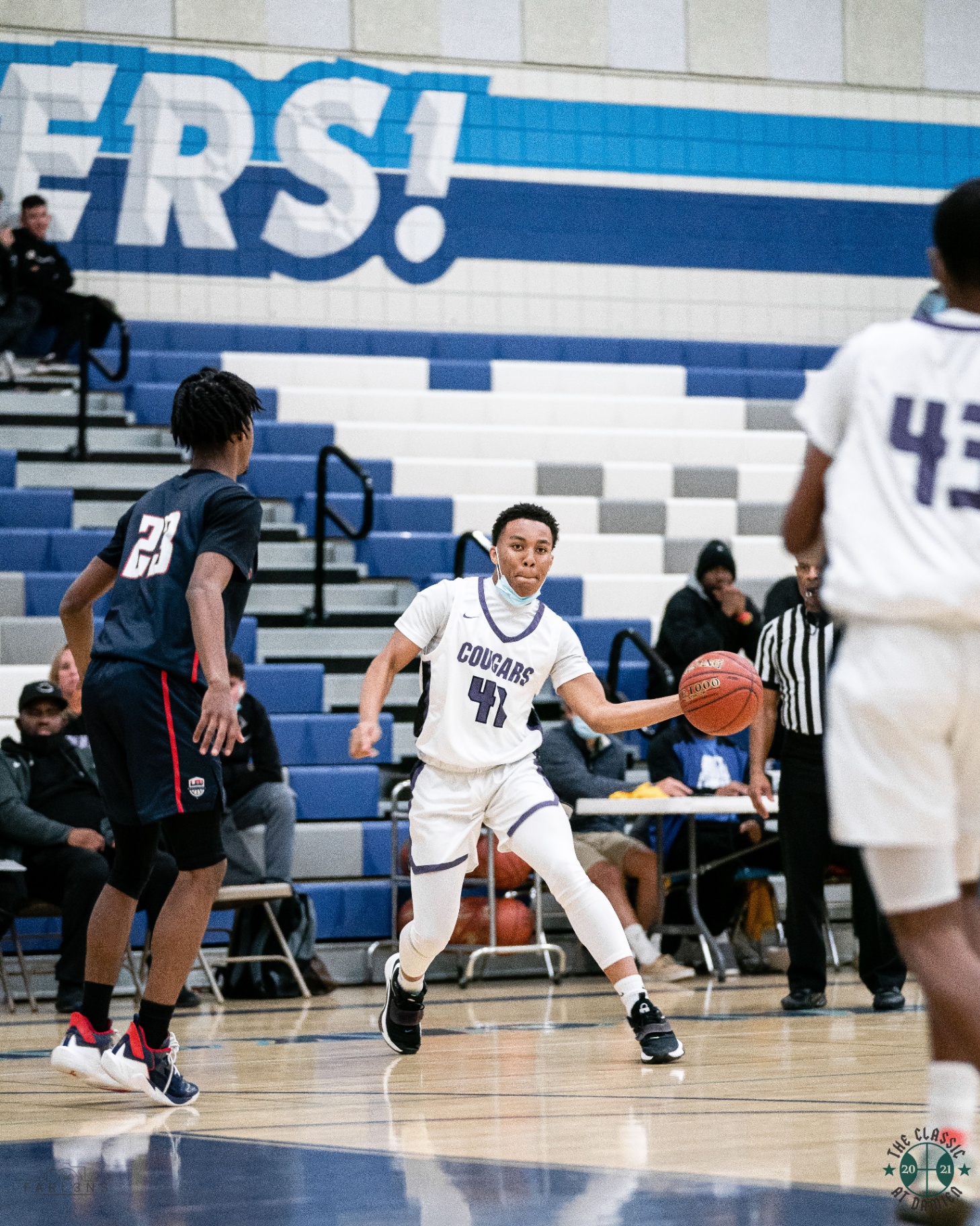
My name is Maurice Reynolds, and I am the coach for The Bigger Picture Athletics, and I would like to introduce myself and allow you all to get a little more familiar with who I am.
I am based in the Inland Empire — Rancho Fontana area — lived in Texas for a stretch, and have called California home for the last ten years. By day, I work full-time with kids on the autism spectrum. After hours, I coach basketball — and honestly, coaching kids is my passion. It's the thing I keep coming back to.
Basketball was the thing that kept me out of the most trouble growing up. I struggled with ADHD and behavioral issues in school, and the court was the one place where the discipline made sense to me. I had coaches who were straight with me — if I wasn't doing the work or showing the right attitude, I didn't play. That kind of accountability shaped me, and I want to pass it on.
I started playing at six in St. Louis in a local YMCA league, found my niche as a shooter around nine, and by sixth grade in Arlington, Texas, I was averaging around 20 a game — three or four threes a night, rebounding, hustling. When I moved to California, I realized how much more work I had to put in, and that lesson stuck with me. Senior year of high school, I sat behind a D1-prospected point guard and a D1 shooting guard who now plays in the SEC. In the middle of that season, my coach sat me down and had a 1-on-1 talk with me. He gave me a choice: transfer to become the undisputed star elsewhere, or stay and be the piece that wins a CIF championship here. I stayed. From then on, I out-hustled everyone in practice, pushed the guys in front of me to get better, and we won a championship ring. That year taught me more about basketball — and about life — than any year I started.
I started coaching about two years ago under the same AAU coach who took a chance on me when I first got to California. Watching the kids I started with two years ago turn into completely new players — that's the part that hooked me. I want to be the coach for them that I needed when I was a kid.
Here's what I see in a lot of kids today: less tolerance for the grind, less patience to do something over and over and call it progress even when it doesn't feel like it. Competitive mindset isn't always being taught or perceived the right way nowadays — being competitive doesn't mean you don't respect your opponent. It means you go neck-and-neck with them and honor and appreciate that they're making you better too. That's what I'm teaching here.
Being coachable isn't something you're born with — it gets built through mutual trust between a coach and a player. So I want every kid who trains with me to know I have their best interest at heart, and in a real way, I love them. When I push them harder than they've ever been pushed, and then harder than that the next session, it's not to make them hurt. It's to teach them physical accountability, mental toughness, and how to find purpose in the work. That's the bigger picture.
What we stand on.
These aren't slogans on a wall. They're how every practice runs, how every player is held accountable, and how progress is measured.
You stay with us.
At every session — personal training, group training, clinics, anything we run — at least one parent or guardian (18 or older) must be on site and present. This isn't a hurdle. It's a promise.
Kids come with real things going on — asthma, food allergies, an injury that flares up, a hard day where they just need to go home. If something happens, your child deserves the person who knows them best in the room with them, not a phone call from across town.
I want to be straight with you: as your child's coach, I'm here to push them, develop them, and care about them like my own. But the responsibility of being their guardian is yours, and it should be. Having you present keeps your child safe, keeps me accountable to you, and keeps the trust between us clean. That's good for everyone — most of all your kid.
I know schedules are tight. If "being present" is a real challenge for your family, talk to me — we can figure out what works (siblings, family friends 18+, coordinating with another parent at group sessions). I'd rather problem-solve with you than have your child miss out.
3.0 GPA. The Expectation.
School-age players must maintain a 3.0 GPA during the school year and bring proof at each session. This isn't a hurdle — it's a promise we make to your child.
School is your child's primary job. Showing up prepared, doing the work, and following through on commitments are the exact same habits that build a great basketball player. We're not here to choose one or the other. We're here to teach both.
Exceptions exist — every kid's situation is different, and we review case-by-case. Talk to us. We're on your child's team.
Talk to a coach